How Farm Life Builds Confidence in Foster Children
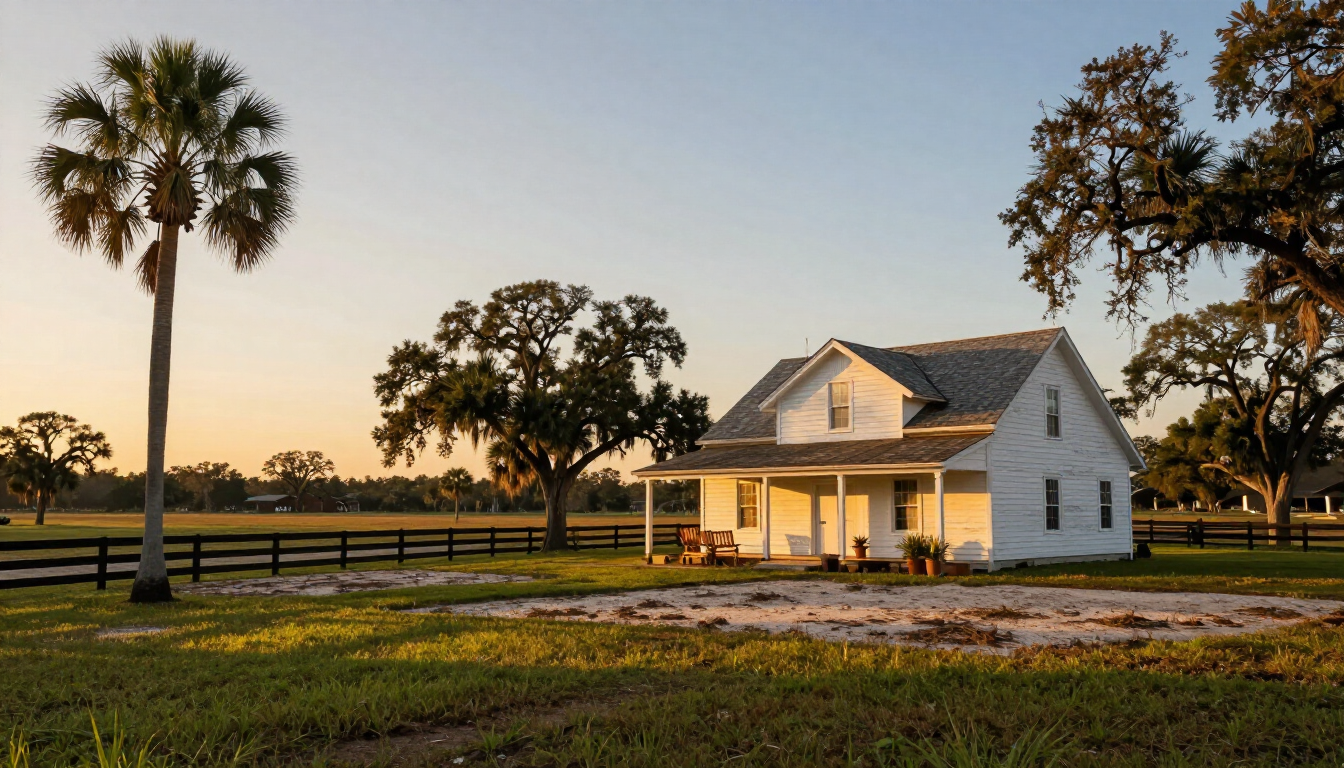
Hands-on farm experiences build confidence and life skills by providing children with tangible responsibilities, consistent routines, and problem-solving opportunities. In an agricultural environment like Echo Lake Farms, youth learn teamwork and resilience through animal care and crop management, fostering emotional growth and a sense of belonging.
What are the benefits of farm-based learning for foster youth?
For many children in the foster care system, life has been defined by transition and uncertainty. When they arrive at a place like Echo Lake Farms, the shift from a traditional suburban or urban environment to an agricultural one offers more than just fresh air; it provides a new framework for understanding the world. Farm-based learning is a powerful tool because it is inherently experiential. Unlike a classroom where concepts can feel abstract, the farm is a living laboratory where every action has an immediate, visible reaction.
When a child engages in hands-on farm experiences, they aren't just "staying busy." They are participating in a multi-sensory education that targets emotional and cognitive development. Research has shown that working with animals and plants can reduce cortisol levels, lower anxiety, and improve focus. For foster youth, these benefits are magnified. The farm offers a neutral ground where the pressures of their past can be replaced by the quiet, steady demands of the present.
Key benefits include:
- Emotional Regulation : Learning to stay calm around animals helps children manage their own internal emotions.
- Physical Health : Farm work encourages movement, coordination, and a healthy connection to where food comes from.
- Confidence Boost : Successfully completing a task, like harvesting a row of carrots or grooming a horse, provides an instant sense of achievement.
- Sensory Integration : The textures, smells, and sounds of the farm help children ground themselves in the physical world.
By focusing on these areas, we help children build a foundation of self-worth that they can carry with them long after they leave the pasture. This is the heart of our Mission at RDY: fostering well-rounded, productive young people.
Building a Sense of Responsibility Through Animal Care
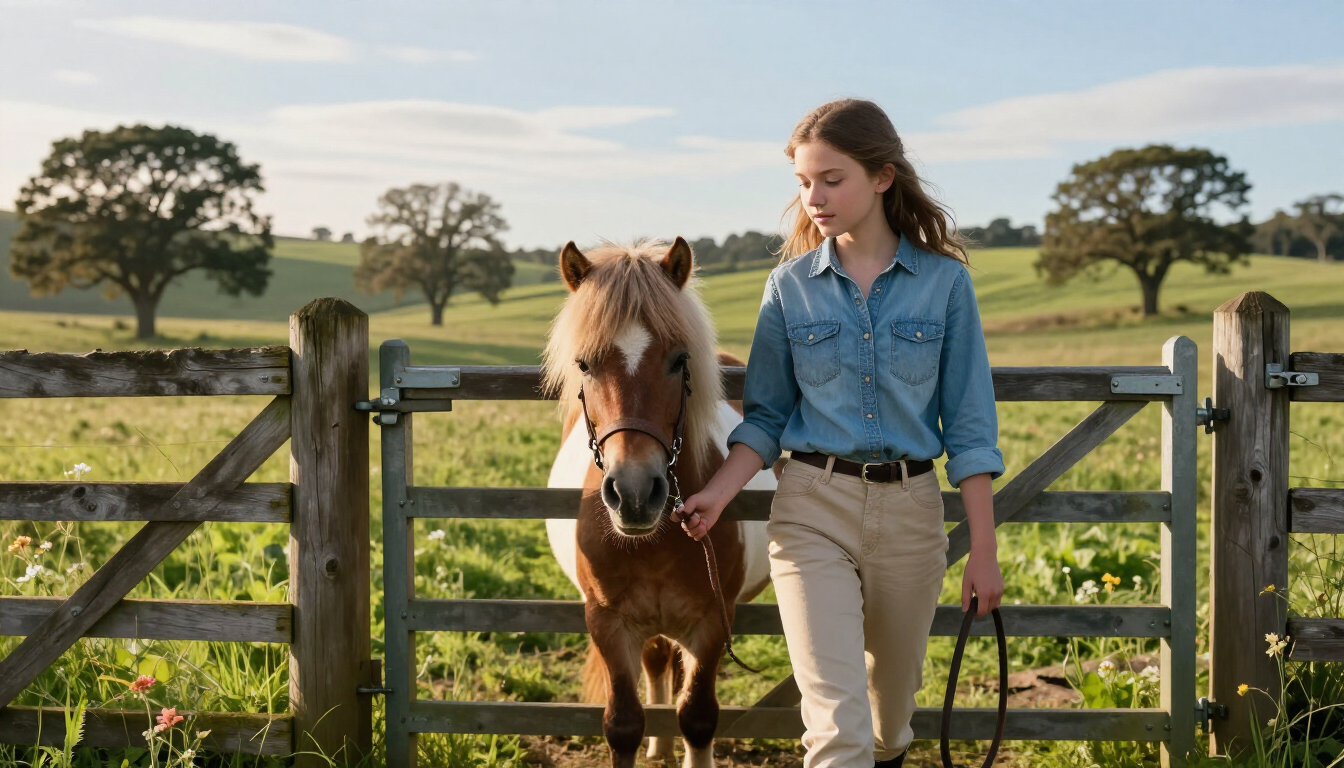
One of the most transformative aspects of the farm experience is the relationship between a child and an animal. On a farm, responsibility isn't a chore assigned by an adult; it’s a necessity for the well-being of another living creature. When a foster child is tasked with feeding a goat or checking the water levels for the chickens, they realize that their actions matter. If they don't show up, the animal goes hungry. This shift from being the one who is cared for to the one who provides care is a pivotal moment in a young person’s development.
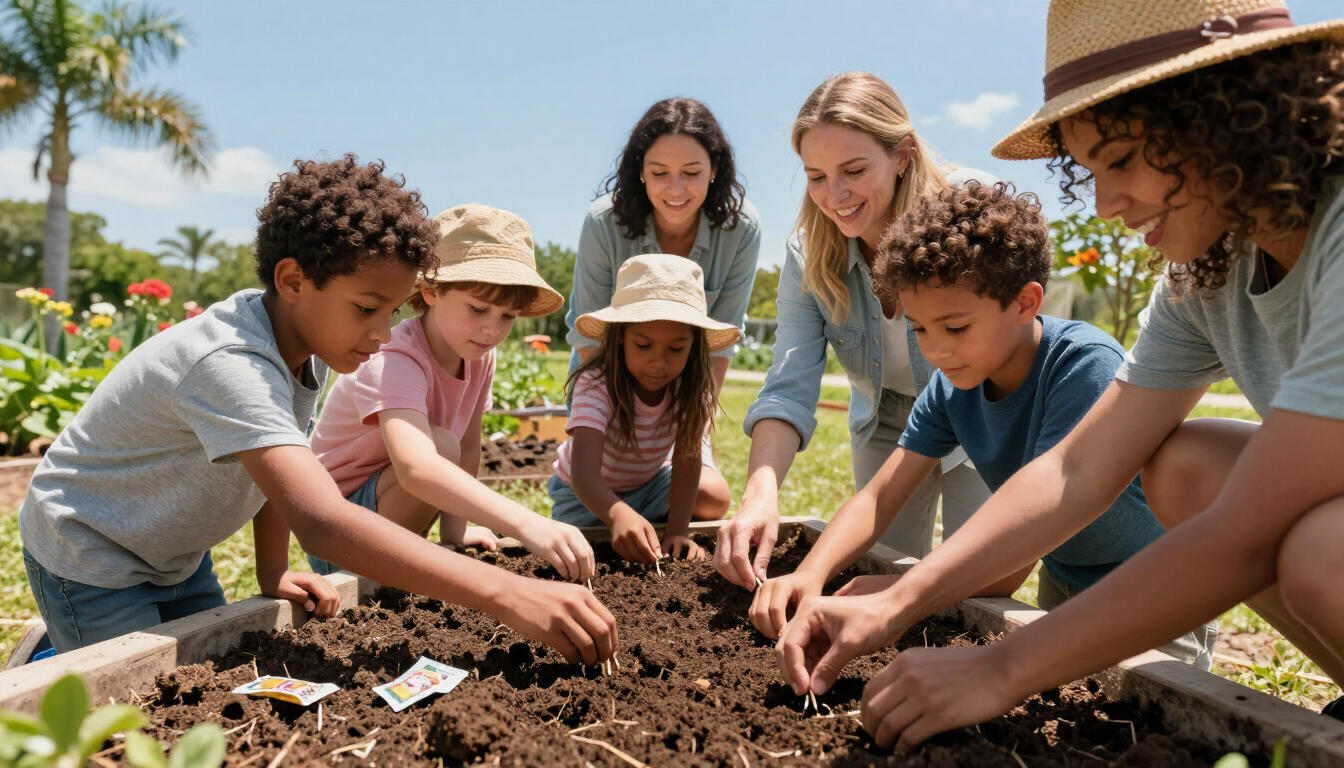
At Echo Lake Farms, we see this play out daily. A child who may have felt powerless in their own life suddenly finds they have the power to nurture. This responsibility breeds a unique kind of confidence. It’s not the kind of confidence that comes from a trophy or a grade; it’s the quiet, sturdy confidence of knowing you are capable and needed.
This sense of duty also helps bridge the gap between foster parents and children. Working together to care for the animals provides a shared goal, allowing for natural conversations and bonding that might feel forced in a living room setting. In our Farm Houses , this integration of agricultural life and family life is the secret ingredient to creating a stable, nurturing home.
How Does a Daily Farm Routine Improve Mental Health?
Consistency is often the missing piece in the lives of foster youth. Many have moved between multiple homes, schools, and social circles, leaving them in a state of constant hyper-vigilance. A farm, however, operates on the rhythm of nature—a rhythm that is predictable, slow, and grounding. The sun rises, the animals need feeding, the plants need watering, and the sun sets.
This daily routine serves as a powerful therapeutic tool. When a child knows exactly what is expected of them each morning, it lowers their stress levels. They no longer have to guess what the day will bring. This predictability allows their nervous system to settle, creating space for learning and emotional growth.
At Echo Lake Farms, we emphasize the importance of these daily rituals:
- The Morning Check-In : Walking the perimeter and checking on the livestock.
- The Feeding Schedule : Ensuring every animal receives its nutrients at the same time daily.
- Garden Maintenance : Spending time weeding or pruning, which requires patience and focus.
- Evening Reflections : A time to look back at what was accomplished before the day ends.
Over time, these routines translate into a personal sense of discipline. A child who learns to stick to a feeding schedule is also learning how to stick to a homework schedule or a personal hygiene routine. The farm becomes the training ground for the habits that lead to success in adulthood. Our Vision is to see every child leave our project with the internal structure they need to thrive in any environment.
Cultivating Problem-Solving Skills in the Soil
Farming is rarely a perfectly smooth process. Tools break, weather changes unexpectedly, and plants don't always grow as planned. These challenges are not failures; they are opportunities for problem-solving. In a controlled environment, an adult might step in to fix everything. On a farm, we encourage the children to participate in the solution.
When a fence needs mending or a drainage issue arises in the garden, the children are invited to brainstorm. How can we fix this? What tools do we need? Why did this happen in the first place? This hands-on approach to problem-solving builds critical thinking skills that are vital for the real world. They learn that obstacles are just puzzles waiting to be solved, not reasons to give up.
This "figure-it-out" mentality is particularly important for foster youth who may feel that life is something that happens to them rather than something they can influence. By overcoming small, tangible problems on the farm, they begin to see themselves as agents of change in their own lives. They learn resilience—the ability to pivot when things go wrong and keep moving forward until the job is done.
Why Is Consistency the Key to Growth at Echo Lake Farms?
Growth, whether it’s a seedling or a child’s self-esteem, doesn't happen overnight. It is the result of thousands of small, consistent actions taken over months and years. This is why Echo Lake Farms isn't just a weekend program or a summer camp. It is a community where families live and grow together.
Consistency in an agricultural setting teaches children about the law of the harvest: you reap what you sow. If you are consistent in your efforts—watering the plants, feeding the animals, showing up for your chores—you see the rewards. You see the calf grow into a strong steer; you see the barren patch of dirt become a lush garden.
This lesson is profound for children who have often seen effort yield no results in their past. By providing a stable environment where cause and effect are clear and consistent, we help them reframe their expectations of the world. They learn that their hard work has value and that consistency is the bridge between a goal and an achievement. This long-term perspective is exactly what Milton Starnes envisioned when he first dreamed of these mini-farms in Clay and Putnam Counties.
Strengthening Teamwork and Community Connections
A farm is a complex system where every part must work together for the whole to thrive. This inherent structure makes it the perfect place to teach teamwork. No one can run a farm alone. Whether it’s moving a heavy bale of hay, organizing a community harvest, or preparing for a local farmers' market, these tasks require collaboration.
For foster children, who may have had difficulty trusting adults or peers in the past, teamwork on the farm is a safe way to build social skills. The focus is on the task at hand—the "common enemy" of a leaking pipe or a stubborn goat—rather than on interpersonal conflict. As they work alongside their foster parents, siblings, and the wider Palatka community, they learn:
- Communication : How to give and receive instructions clearly.
- Trust : Relying on someone else to hold the gate or steady the ladder.
- Shared Success : The joy of celebrating a big harvest together.
- Empathy : Recognizing when a teammate (or an animal) needs help.
These social life skills are the building blocks of healthy relationships. By integrating the local community with the farm, we ensure that our youth are not isolated but are part of a larger, supportive network. This community-centric approach is vital for their long-term success as productive members of society.
Looking Toward the Future at Echo Lake Farms
The impact of hands-on farm experiences lasts far beyond the time spent in the fields of Palatka. The confidence, routine, and life skills developed here become part of a child's permanent toolkit. When a young person transitions out of the foster care system, they often face a "cliff" where support drops off. However, the child who has learned to manage a farm, solve complex problems, and work as part of a team is much better equipped to navigate the challenges of independence.
Milton Starnes’ legacy lives on every time a child at Echo Lake Farms stands a little taller after a hard day’s work. We are not just building farms; we are building futures. By providing a nurturing, agricultural environment, we give foster families the space they need to heal and grow. This mission is only possible through the generosity of our community and supporters who believe in the power of the land to change lives.
As we continue to develop Echo Lake Farms, our goal remains the same: to foster responsible, well-rounded, and productive young people who are ready to take on the world. Whether they choose a career in agriculture or follow a different path, the lessons they learned in the soil will stay with them forever.
Summary: Key Life Skills Built on the Farm
To wrap up, here are the core ways that hands-on farm experiences transform the lives of foster youth at Echo Lake Farms:
- Responsibility : Children learn that their daily actions are vital to the health and survival of living beings.
- Resilience : Facing and overcoming the natural challenges of farm work builds "grit" and problem-solving abilities.
- Emotional Stability : The predictable routine and calming nature of animal husbandry provide a sense of security and peace.
- Social Competence : Working as a team to manage the farm fosters communication, trust, and a sense of community.
- Self-Worth : Accomplishing tangible tasks provides an immediate and lasting boost to a child’s confidence.
If you feel moved by our mission and want to help us continue this vital work for foster families in North Florida, we invite you to Give today. Your support helps us provide the animals, seeds, and infrastructure that make these life-changing experiences possible. Together, we can continue the legacy of Milton Starnes and sow the seeds of a better future for every child at Echo Lake Farms.